
- info@selfchec.org
Powered by Google  Translate
TranslateSafe Sex

What You Need To Know That Makes Sex Unsafe

- Having sexual contact without protection. One partner could be infected with a Sexually Transmitted Disease (STD) that can be passed to the other.
- Not taking precautions with a new sex partner. To be safe, unless test results show otherwise, take the same precautions you would if you thought a sex partner was infected. Unfortunately, there’s no way to know if someone is infected by how he or she looks. A new sex partner might lie to you about having an STD.
- Not knowing that negative tests can turn into positive ones. Even someone who tested negative in the past might be infected now—he or she might have been infected after being tested or might have gotten the test too soon after an exposure for it to show up, such as in the case of HIV.
How To Make Sex Safer
You can reduce getting any Sexually Transmitted Disease (STD) through sexual or anal intercourse by using a barrier like a condom. Condom use makes it more difficult for blood or sexual fluid to get into your body.
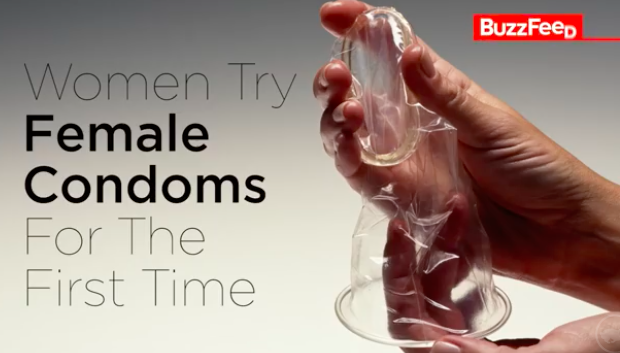
There are also one-size-fits-all female condoms that protect the vagina or rectum during intercourse. They look like regular condoms made of polyurethane, but are designed to fit inside the vagina and are typically pre-lubricated.
Oral sex has a lower risk of transmitting STDs, but it’s still possible if body fluids get into your mouth, especially if you have bleeding gums or sores. Most any STD can spread from the genital area to the mouth and vice versa.
According to the Palo Alto Medical Foundation, though your risk of contracting an infection through Oral sex is lower than through vaginal or anal sex, it still exists.

Before Intimacy, How To Discuss Everything

Some steps towards safer sex happen well before you get intimate. Once both you and your partner feel you’re ready to be intimate, do all you can to be sure you’re STD-free or take measures to prevent transmission. These ideas can help:
- Be open. Discuss your sexual histories.
- Get screened. Before having sex with a new partner, each of you should get screened for STDs and share the test results with each other. If one or both of you have an STD, get treatment before having sex. For a curable infection, avoid sexual contact until your health professional determines that you’re no longer infectious.
- If you have an incurable STD, like herpes, tell your sexual partner about it before you have sex and allow them to decide what to do without any pressure. If you both agree to have sexual contact, use latex or polyurethane condoms.
What You Need To Know About STIs/STDs
There are approximately 30 Sexually Transmittable Diseases
(STDs) identified throughout the world.
According to the organization Beforeplay.org, you can get STD bacterial infections chlamydia, syphilis or gonorrhea in your mouth and/or throat and could develop genital warts in your mouth. Herpes is commonly passed between the genitals and the mouth, and HIV can be passed through cuts in the mouth or small abrasions.
While these infections are most often spread by direct contact with body fluids—semen, vaginal fluids or blood— a sore on the genitals or mouth can also provide an entryway for the germs. For some, transmission can result simply from skin-to-skin contact.

What You Need To Know About Condom Use

Condoms offer the best available protection against STDs and AIDS by acting as a physical barrier to prevent the exchange of semen, vaginal fluids or blood between partners.
- Use condoms all the time. Use condoms for all vaginal, anal and oral intercourse.
- The condom should be in place from the beginning to the end of the sexual activity.
- Use a fresh condom every time you have sex. Check the use-by date and open the packet carefully so that you don’t tear the condom with a fingernail, jewelry or teeth.
- Use a water-based lubricant to help reduce the chance that a latex condom will fail; oil-based lubricants and petroleum jelly reduce the effectiveness of any latex barrier. If you prefer an oil-based lubricant, switch to a polyurethane barrier.
How To Put A Condom On (For Men And Women)
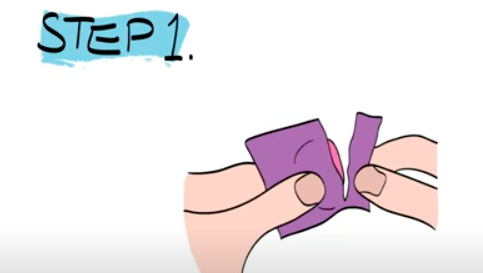
These videos are pretty self-explanatory.
Please watch them for step-by-step directions on condom use.
Thank you for taking good care of yourself.
Male Condom
Female Condom
What To Do If Your Condom Breaks

First, don’t panic. Calmly consider taking the following steps, adapted from recommendations of the UK health service, Open Doors:
If You Were Having
VAGINAL SEX
- Pee immediately to flush away any sperm that may be near your urethra.
- Squeeze with your vaginal muscles to remove excess sperm while on the toilet.
- Wash the outside of your genitals while still on the toilet by splashing with water or pouring a bottle of lukewarm water over them.
Resource: International Association of Providers of AIDS Care, NHS, CDC, Planned Parenthood, The Naked Truth, Women’s Health, NHS.UK and AIDS.gov
Frequently Asked Questions

Safe sex means taking steps before and during sex to help prevent you or your partner from getting a sexually transmitted disease ( STD). For many it also means protecting against an unplanned pregnancy. Click questions below for more answers.
5 Things you need to know… Read more
Here’s what other couples do to help make sex safer… Read more
Besides telling your partner, you need to be aware of these 4 other things… Read more
Even skin-to-skin contact can spread STDs. Read more
Here are the 5 important things you may not have known… Read more
If you don’t know how to, these videos and illustrated step-by-step instructions will guide you. Read more
First, don’t panic. Calmly consider taking the following steps… Read more
.png)