- info@selfchec.org
Powered by Google  Translate
TranslateSkin Cancer

Risk Factors

Your Skin Cancer Risk Tool
Click the Melanoma Cancer Risk Calculator Tool from The Siteman Cancer Center to help determine what your melanoma risk factors are and what you may be able to do to reduce your chances of being diagnosed.
Other Risk Factors May Include
- A family history of skin cancer.
- A personal history of skin cancer.
- A lighter natural skin color. However, darker skin does burn and can also get skin cancer. Be aware as well that darker skin color can mask a growing skin cancer.
- Exposure to the sun through work and play, summer and winter.
Age Guidelines
Clear evidence tells us that we are vulnerable to the sun’s burning rays from the moment we are born. Start using the skin cancer age guidelines below, even when its cloudy.
Start Checking Your Skin Right Now!
Get your yearly doc-check. An annual screening by your dermatologist may pick up spots you overlooked during your self-check. That’s why it’s really good to have an extra set of trusted eyes checking your skin out.
Do a skin self-check every month. It’s never too early to start.
Protect your children: 5 ways to keep the kids in your life sunsafe. Until kids are old enough to understand how to protect themselves, help protect them.
You are your skin’s best friend. Checking it monthly makes you more familiar with what “normal” looks like, allowing you to notice any changes that may take place.
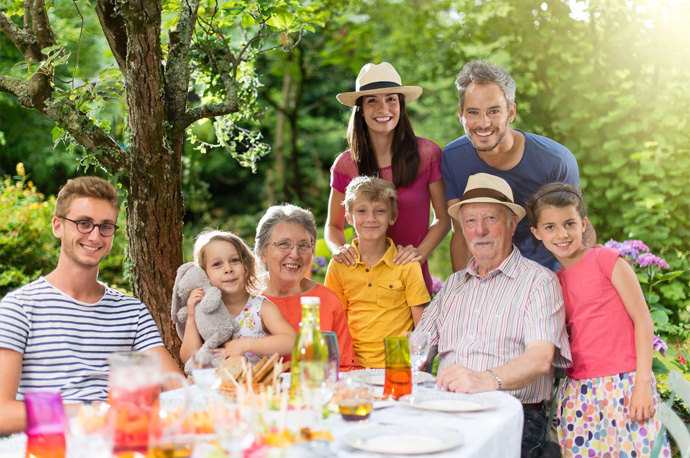
How To Do Your Skin Cancer Self-checks
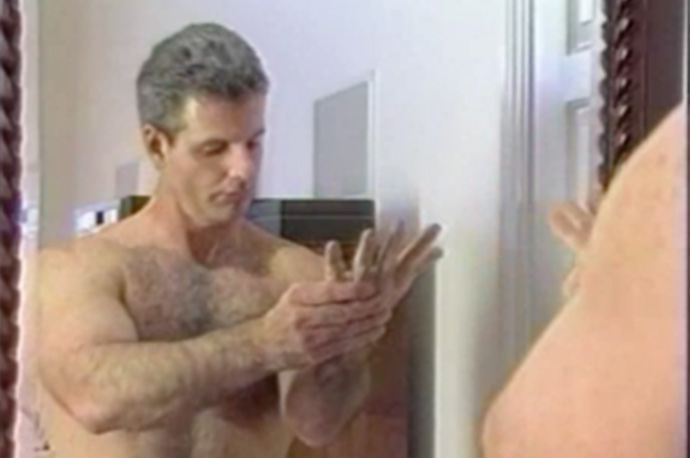
Your Skin Cancer Video Guide/ Click Photo On Left
Skin cancer doesn’t discriminate. People of color are as vulnerable as people with lighter skin. Skin cancer early detection self-checks are important for everyone to do!
Your Personal Skin Cancer Self-check
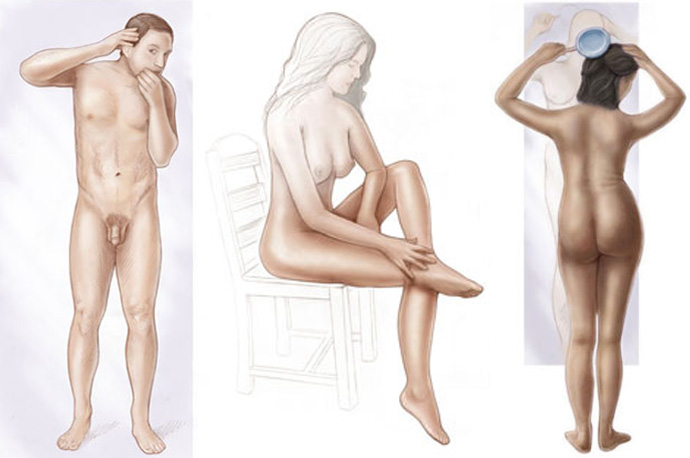
For a thorough skin cancer self-check you’ll need both a full-length and a hand-held mirror. You’ll also need very good lighting. It is probably best to do this after a shower or bath.
- Look in the mirror, check your face (including your eyelids and inside of mouth).
Signs And Symptoms
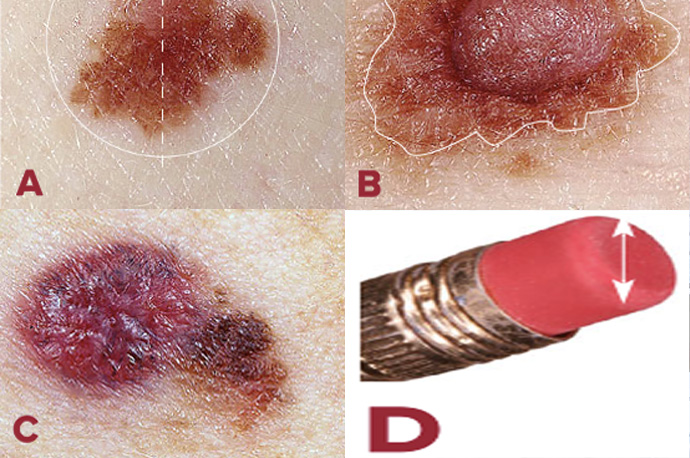
The A, B, C, D & E’s Of Skin Cancer, What To Look For
Asymmetry
One half of a mole does not match the other half. (See the picture on your right) Normal moles are symmetrical (even). Draw an imaginary line through the middle of your mole or freckle and compare the two halves. If they do not look the same on both sides, have it checked by a dermatologist.
Border Irregularity
If the border or edges of the mole are ragged, blurred, or irregular, have it checked.
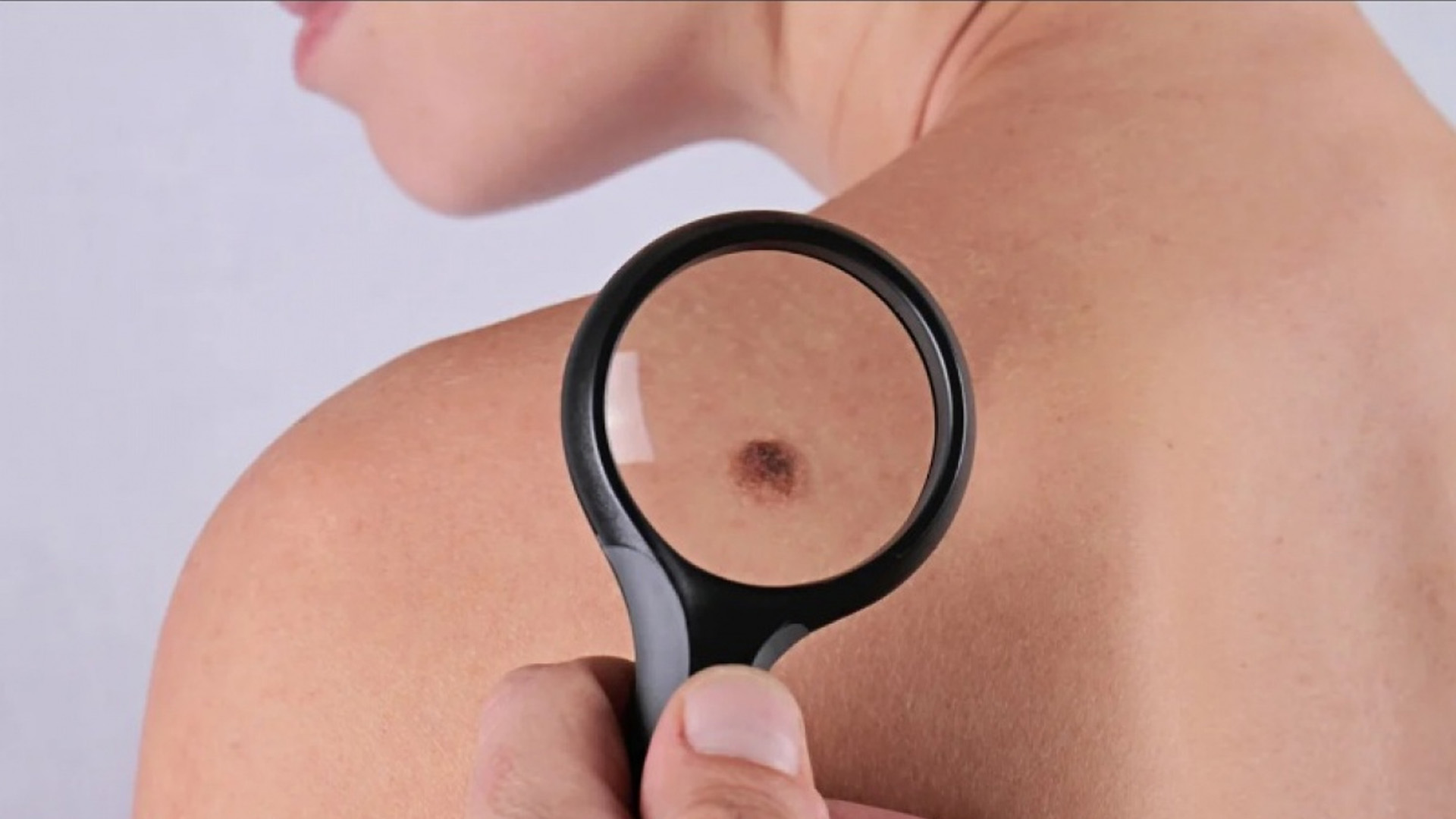
What Some Skin Cancers Look Like
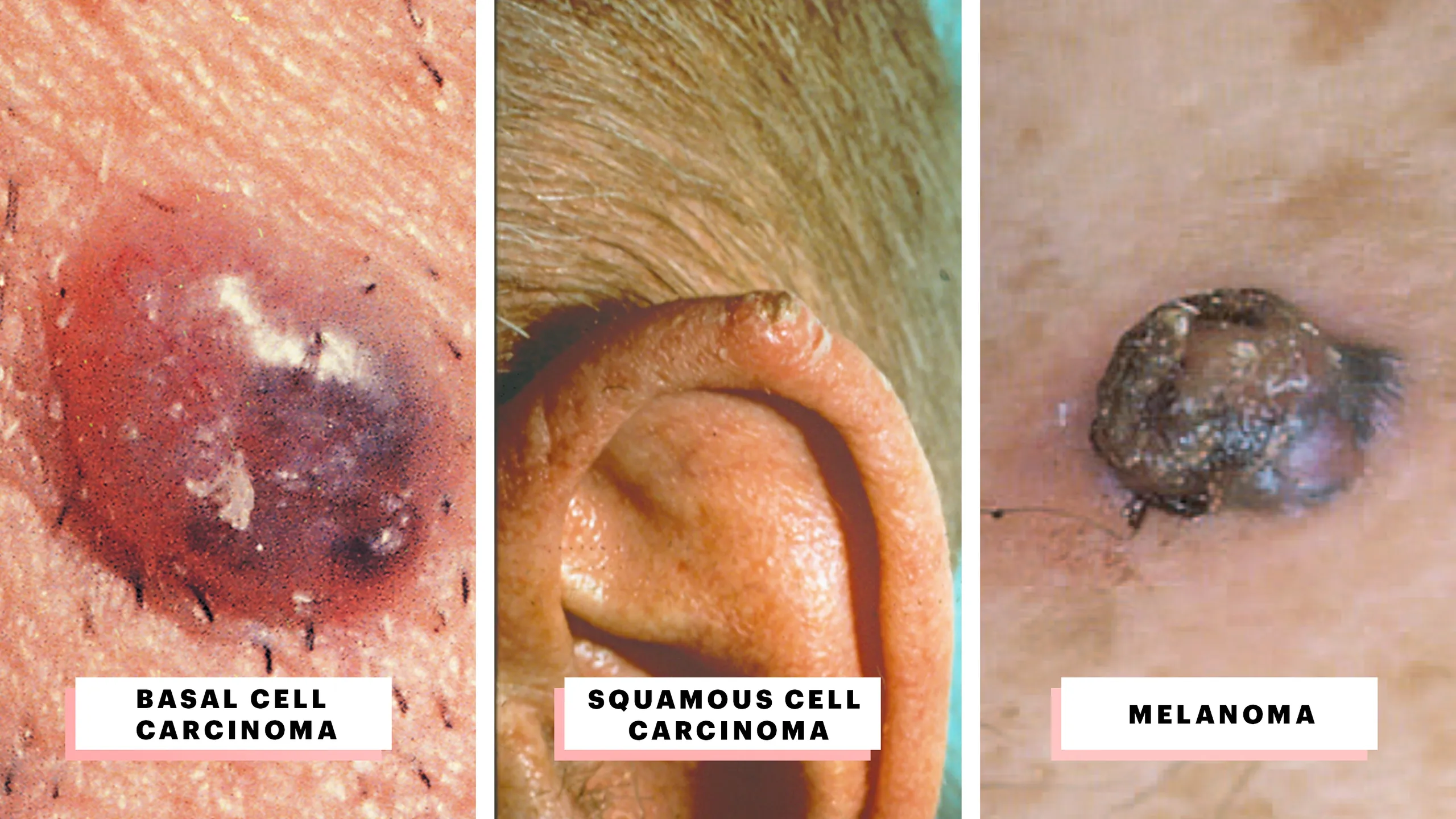
Melanoma
The most serious and potentially deadly skin cancer. Consult a dermatologist if a mole changes in size, shape or color, has irregular edges, is more than one color, is asymmetrical or itches, oozes or bleeds.
Basal Cell Carcinoma
Can look like a waxy or white bump, a scaly patch or an unhealed sore.
Squamous Cell Carcinoma
Could appear as a red nodule or rough bump, a scaly growth that bleeds or develops a crust, or a sore that doesn’t heal.
It most often appears on the nose, forehead, ears, lower lip, hands, and other sun-exposed areas of the body.
Reduce Your Chances Of Getting Skin Cancer
Practice the following to help reduce risk of skin cancer:
- Follow the UV Index. Stay in the shade, especially during midday.
- Wear clothing that covers your arms and legs.
- Wear sunglasses that block both UVA and UVB rays.
- Use sunscreen with SPF up to 50 (beyond that, increased protection is minimal and the increased sense of invulnerability you may have can lead to skin damage and worse. Find the sunscreen that fits your needs on the EWG website.
- Sunscreens with especially oxybenzone are bad for your health and the environment. Please read this blog.
- Avoid indoor tanning, like using a tanning bed and lamps. It can kill you.
- Read the 5 Ways To Keep The Kids In Your Life Sun Safe.

Resources: CDC, Mayo Clinic, American Academy of Dermatology, Skin Cancer.org and Skin Cancer Foundation
Frequently Asked Questions
.gif)
Skin cancer including melanoma, is preventable and treatable if caught early. Read some of the Frequently Asked Questions below for answers to other questions you may have.
Check out the Melanoma Cancer Risk Calculator Tool from The Siteman Cancer Center on this page. It will help you determine if you do. Read more
The adults around should check the young children they hang out with and follow these guidelines. Read more
Watch a real person do a skin self-check. Read more
Their meaning in regards to your skin can help save your life Read more
Moles and rough spots can be worrisome. These photos will help you decide if they need a doctor’s attention. Read more
Find the best sunscreens (beware of false claims), the best protective clothing, and more. Read more
.png)